Why Oral Care Matters More Than You Think
Oral hygiene in healthcare settings is far more than a comfort issue — it is a critical infection prevention intervention. Research consistently shows that inadequate oral care in hospitalized patients is associated with a significantly higher risk of ventilator-associated pneumonia (VAP), aspiration pneumonia, and systemic infections. In intensive care units, where patients are often intubated or unable to perform self-care, the mouth becomes a reservoir for pathogenic bacteria that can migrate directly into the respiratory tract.
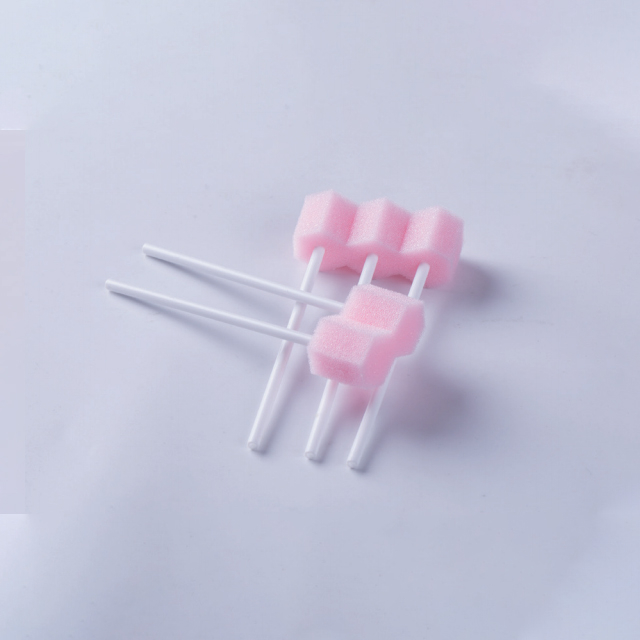
This is where the disposable foam sponge oral swab plays an outsized role. These small, single-use devices — also known as disposable oral cleaning sticks or oral care sponge sticks — are purpose-built to safely and effectively clean the oral cavity of patients who cannot brush their own teeth. They are soft, gentle on delicate mucosal tissue, and disposable, eliminating the cross-contamination risk inherent in reusable oral care tools.
The Clinical Case for Disposable Oral Swabsticks
Consider these data points that drive procurement decisions in modern healthcare facilities:
- VAP incidence: Ventilator-associated pneumonia affects approximately 10-20% of mechanically ventilated patients, with oral bacterial colonization being a primary contributing factor. Effective oral hygiene protocols using disposable medical dental oral sponge care sticks can reduce VAP rates substantially.
- Dysphagia prevalence: Up to 50% of stroke patients experience swallowing difficulties (dysphagia), making conventional toothbrushing unsafe. Foam disposable oral care sponge sticks provide a gentle alternative that cleans without triggering gag reflexes.
- Oncology patients: Chemotherapy and radiation therapy frequently cause oral mucositis — painful inflammation and ulceration of the oral mucosa. Soft sponge swabs are often the only tolerable oral care option for these patients.
- Elderly care: Residents in long-term care facilities with cognitive impairment or physical limitations benefit from the simplicity and safety of a disposable sponge stick over traditional toothbrushes.
Anatomy of a Quality Oral Swabstick
Not all disposable oral swabsticks are manufactured equally. Understanding the construction helps procurement professionals evaluate supplier offerings and match products to clinical needs.
The Sponge Head
The sponge tip is typically made from medical-grade polyurethane foam, chosen for its softness, absorbency, and ability to conform to the contours of the oral cavity. A quality disposable foam sponge oral swab features a sponge that is securely bonded to the stick — preventing the risk of the sponge head detaching during use, which could become a choking hazard for vulnerable patients.
The Handle
The handle is usually manufactured from polystyrene or polypropylene, providing a rigid yet lightweight shaft. The handle length is designed to give caregivers adequate reach and control while maintaining a comfortable grip during extended oral care sessions. Some designs include a textured grip or finger guard for improved handling.
Design Variations
Many disposable oral cleaning sticks feature a grooved or textured sponge surface, which increases the effective cleaning area and helps remove plaque and debris more effectively than a smooth sponge. Some products include a central channel in the sponge that can hold oral rinse solution or saliva substitute, providing a moisturizing benefit alongside cleaning.
Best Practices for Oral Care with Swabsticks
Having the right product is only half the equation. Healthcare facilities should establish standardized oral care protocols that specify when and how to use disposable sponge sticks:
- Frequency: Oral care should be performed at least every 4-6 hours for intubated patients and at least twice daily for non-intubated patients who cannot perform self-care.
- Moistening: Dampen the disposable oral care sponge stick with water, saline, or a prescribed oral care solution before use. Avoid excessive saturation, which can cause dripping and aspiration risk.
- Technique: Use gentle sweeping motions along the gums, tongue, and inner cheeks. Replace the swabstick if it becomes soiled — never reuse a disposable sponge stick.
- Documentation: Record oral care interventions in the patient's care chart, noting the products used and any observations about oral condition (dryness, lesions, bleeding).
- Post-use disposal: Dispose of used swabsticks in appropriate clinical waste bins following your facility's infection control policy.
Oral care is not a luxury in healthcare — it is a clinical intervention. The right disposable oral swabstick, used at the right frequency, can prevent pneumonia, reduce discomfort, and improve quality of life for the most vulnerable patients.
Comparing Oral Swabsticks to Traditional Toothbrushes
| Feature | Foam Sponge Swab | Traditional Toothbrush |
|---|---|---|
| Safe for unconscious patients | Yes | No |
| Gag reflex risk | Very low | Moderate |
| Suitable for mucositis | Yes — gentle | No — too abrasive |
| Plaque removal efficiency | Moderate | High |
| Cross-contamination risk | None (single-use) | Low (if dedicated per patient) |
| Cost per unit | Low | Low-Moderate |
| Storage space | Minimal | Moderate |
As the table illustrates, disposable foam sponge oral swabs are not a replacement for toothbrushes in all scenarios. For patients who can perform self-care, a toothbrush remains the gold standard for plaque removal. However, for any patient population where self-care is impaired — ICU, oncology, stroke recovery, dementia care, or post-surgical recovery — the disposable oral sponge care stick is the appropriate and often essential tool.
Procurement Criteria for Healthcare Buyers
When sourcing disposable oral cleaning sticks for your facility, evaluate suppliers against the following criteria:
- Biocompatibility: Ensure materials are tested and certified safe for oral mucosal contact. Look for ISO 10993 biocompatibility testing data.
- Sponge adhesion: The sponge head must be securely bonded to resist detachment during use. Request pull-force test data from the manufacturer.
- Packaging: Individual sterile or clean packaging is essential for infection control. Bulk-packed options may be suitable for non-sterile applications but require proper storage protocols.
- Regulatory compliance: Verify the manufacturer holds ISO 13485 certification and that products meet CE and/or FDA requirements for your target market.
- Supply reliability: Oral swabsticks are a high-consumption item. Choose a manufacturer with proven production capacity and consistent quality control to avoid stock-outs.
🔑 Key Takeaways
- Oral care with disposable swabsticks directly reduces VAP and aspiration pneumonia risk
- Foam sponge swabs are the safest option for unconscious, dysphagic, and mucositis patients
- Quality matters: check sponge adhesion, biocompatibility, and packaging standards
- Establish standardized oral care protocols — the right tool used inconsistently delivers limited benefit
- Verify ISO 13485, CE, and FDA credentials before selecting an oral swabstick supplier
Why Newrise Medical for Oral Swabsticks?
Changzhou Newrise Medical & Hygiene Products Co., Ltd. has been manufacturing disposable medical and hygiene products since 2004. Our disposable foam sponge oral swab range is produced in our ISO 13485-certified facility in Changzhou, China, which spans 40,000㎡ and includes a 1,500㎡ 100,000-grade cleanroom.
We hold ISO 13485, CE, and FDA certifications and export to over 50 countries worldwide. Our disposable medical dental oral sponge care sticks feature securely bonded foam heads, ergonomic handles, and individual packaging options to meet the needs of hospitals, dental clinics, and long-term care facilities.
Whether you're a procurement manager, a medical supply distributor, or a group purchasing organization, Newrise Medical offers competitive pricing, reliable supply, and full OEM/ODM customization services. Contact our Sales Manager, Rachel, for a free quote and product samples.